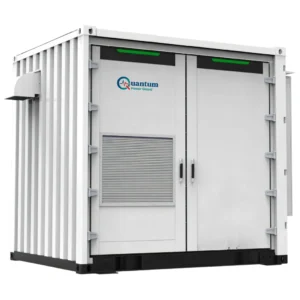
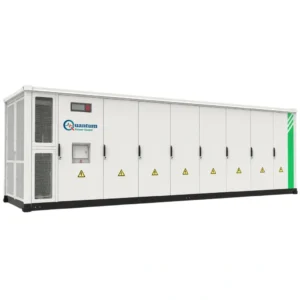
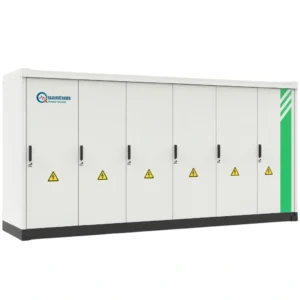
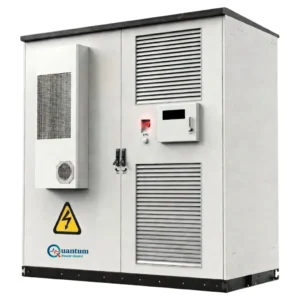
Battery Energy Storage System (BESS)

What is Battery Energy Storage System (BESS)

Battery Energy Storage Systems (BESS) are designed to store electrical energy and deliver it when needed, helping maintain power stability, improve energy efficiency, and support uninterrupted operations. These systems play a critical role in modern power infrastructure by balancing supply and demand, reducing reliance on the grid, and providing backup power during outages.

Quantum Power Guard BESS

Quantum Power Guard battery energy storage solutions are engineered for commercial and industrial environments where reliable and scalable energy storage is essential. Built with advanced battery technologies and intelligent energy management, these systems support peak shaving, load shifting, and backup power applications across a wide range of industries.

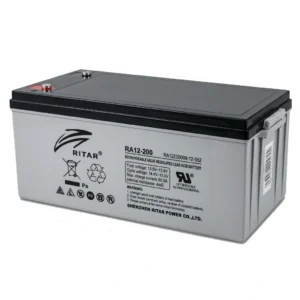
Core Capabilities

Scalable energy storage for growing power demands
Integrated battery management systems (BMS)
Provide Stable and consistent Power output
High Efficent charge and discharge cycles

Seamless integration with UPS and Inverter systems

Designed for long lifecycle and deep discharge performance
Explore Our Battery Energy Storage Solutions
Explore the Battery energy storage systems below to find the system designed for your application.

Frequently Asked Questions

What is a Battery Energy Storage System (BESS)?
A Battery Energy Storage System (BESS) stores electrical energy for later use, allowing facilities to maintain power stability, reduce energy costs, and ensure backup power during outages.
How is BESS different from a UPS system?
A UPS provides immediate short-term backup power during outages, while a BESS is designed for longer-duration energy storage, load management, and energy optimization.
Where are battery energy storage systems commonly used?
BESS systems are widely used in data centers, hospitals, industrial facilities, commercial buildings, and renewable energy systems.
What are the benefits of using a BESS system?
Key benefits include improved energy reliability, reduced electricity costs through peak shaving, backup power capability, and better integration with renewable energy sources.
Scroll to Top